How Alt Text and On-Page SEO Improve Website Performance

Search engine optimization (SEO) is no longer optional. It’s how businesses compete and grow online. Good SEO drives traffic, improves the user experience, and keeps visitors engaged once they arrive. One piece that gets overlooked is alt text, along with a handful of other elements that lift both performance and usability.
At WebbDesignz, we build websites that look great and are tuned for performance and engagement. Here’s why alt text matters, plus the other SEO components that take a site to the next level.
What Is Alt Text and Why Is It Important?
Alt text, short for “alternative text,” is a written description of an image on a website. It lives in the HTML as part of the image tag. Alt text improves accessibility, supports SEO, and gives context when an image fails to load.

Why Alt Text Matters:
- Accessibility: Helps visually impaired users understand images through screen readers.
- SEO benefits: Lets search engines index and understand your images, improving visibility.
- Fallback content: Shows descriptive text when an image fails to load.
Best Practices for Alt Text:
- Keep descriptions concise but informative.
- Use relevant keywords naturally, without stuffing.
- Skip generic phrases like “image of” or “picture of.”
We write effective alt text for every site we design, so it’s both inclusive and optimized.
Essential SEO Elements for Website Performance
SEO is about more than keywords. Several technical and content elements work together to improve how your site performs and feels to use.
1. Meta Titles and Descriptions
Meta titles and descriptions are the snippets that show up in search results. They summarize your content and invite the click.
Tips for Effective Meta Titles and Descriptions:
- Include primary keywords.
- Write compelling, action-oriented text.
- Stay within character limits: 60 for titles, 155 for descriptions.
2. Header Tags (H1, H2, etc.)
Header tags structure your content so both readers and search engines can follow it.
Benefits of Proper Header Tag Usage:
- Improves readability by breaking content into sections.
- Helps search engines identify the key topics on your page.
- Strengthens SEO by working in keywords naturally.
3. Internal Linking
Internal links connect the pages of your site. They guide readers to related content and help search engines crawl everything.
Internal Linking Strategies:
- Link to relevant content within your site.
- Use descriptive anchor text.
- Don’t overload pages with excessive links.
The Role of Page Speed in SEO and User Experience
Page speed is how quickly a page loads. A slow site frustrates users and hurts your rankings. Google treats page speed as a ranking factor, so it’s worth optimizing.
How to Improve Page Speed:
- Compress images to reduce file sizes.
- Use a reliable hosting provider.
- Minimize heavy scripts and plugins.
- Enable browser caching for faster loading.
We build every site for speed, which improves both the user experience and SEO performance.
Mobile Optimization: A Must for Modern Websites
Most web traffic now comes from mobile devices, so mobile optimization isn’t optional. A mobile-friendly site lets users navigate and interact easily on any device.
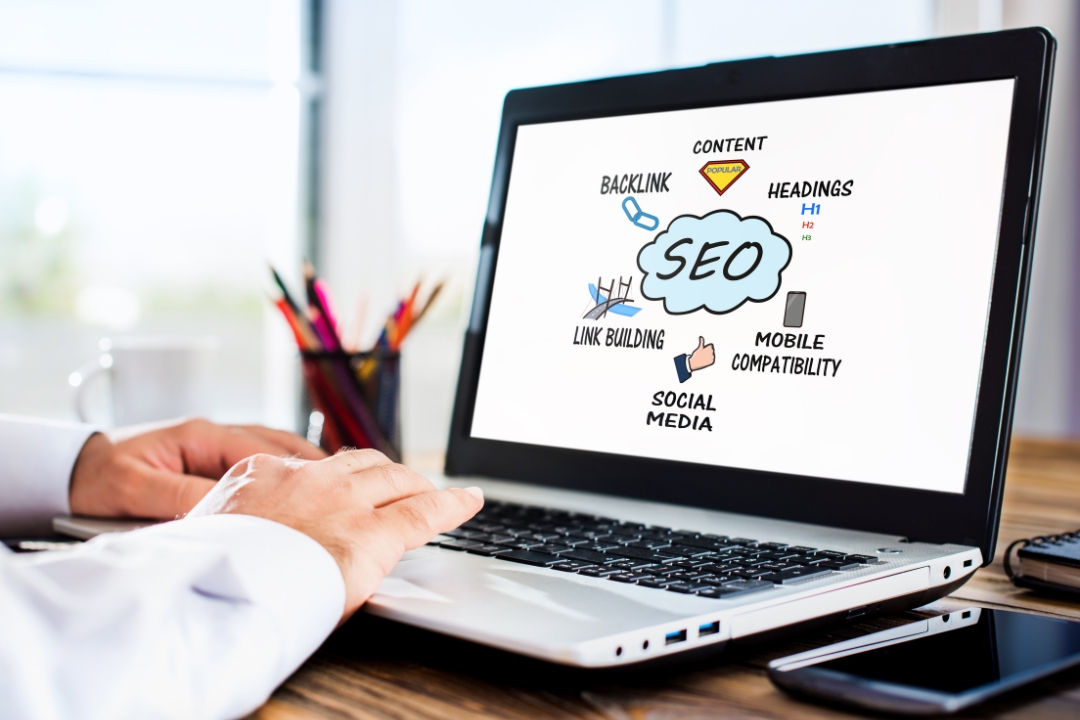
Key Mobile Optimization Tips:
- Use responsive design to adapt to different screen sizes.
- Optimize buttons and menus for touchscreens.
- Reduce pop-ups that disrupt the experience.
Search engines favor mobile-optimized sites, which means better rankings and happier users.
Image Optimization Beyond Alt Text
Alt text is crucial, but optimizing images takes more than a description. Well-optimized images improve load times and SEO.
Steps for Image Optimization:
- Choose the right format: Use JPEG for photos and PNG for graphics with transparency.
- Compress images: Reduce file sizes without losing quality.
- Use descriptive file names: Rename files with relevant keywords before uploading.
- Implement lazy loading: Load images as users scroll to improve performance.
Optimizing images boosts SEO and improves the overall experience.
Content Quality: The Heart of SEO
Content is still king in SEO. High-quality, informative content attracts visitors and brings them back.
Characteristics of Great Content:
- Relevance: Answers your audience’s needs and questions.
- Readability: Uses clear, concise language and proper formatting.
- Keyword integration: Works in keywords naturally, without overloading.
- Multimedia elements: Adds images, videos, and infographics to engage readers.
A website is only as good as its content, so we focus on creating valuable content that follows SEO best practices.
The Importance of Structured Data
Structured data, also called schema markup, is code you add to your site to help search engines understand your content. It powers enhanced results like rich snippets, which show extra information right on the results page.
Benefits of Structured Data:
- Improves click-through rates by making your listing more appealing.
- Helps search engines categorize your site more effectively.
- Boosts visibility in voice search results.
Structured data is an advanced element, but done right it can significantly improve your site’s performance.
How These Elements Work Together
Alt text, meta tags, mobile optimization, and the rest don’t work in isolation. Together they form a cohesive strategy that improves performance and the user experience.
Combined Benefits:
- Higher search engine rankings.
- Increased website traffic.
- Better accessibility for all users.
- Stronger engagement and conversion rates.
We take a holistic approach to SEO, so every element works together toward your goals.
Final Thoughts
SEO reaches well beyond keywords. Alt text, meta tags, page speed, and structured data all play a real role in your site’s performance and user experience. Optimize these pieces and your site ranks better and keeps visitors engaged.
Ready to elevate your website’s performance? WebbDesignz can help. Our team specializes in building these SEO elements into user-friendly designs that drive results. Contact us today to get started on better rankings and happier users.