Modern Website Design Tips From Tulsa Designers
Introduction
A website is often the first point of contact between a brand and its audience. Like a physical storefront, it embodies the brand’s ethos, offerings, and values. Modern website design isn’t just about aesthetics; it’s a strategic tool for brand positioning. So why does Tulsa deserve a mention here? Known for its history, the city is becoming a hub for fresh design thinking, where web design keeps evolving as local designers push boundaries with new perspectives and techniques.
Understanding Modern Website Design
Website design has evolved well beyond visuals. Modern design sits at the intersection of user expectations, technology, and creativity. Here’s a closer look at what shapes it:
Evolving with technology
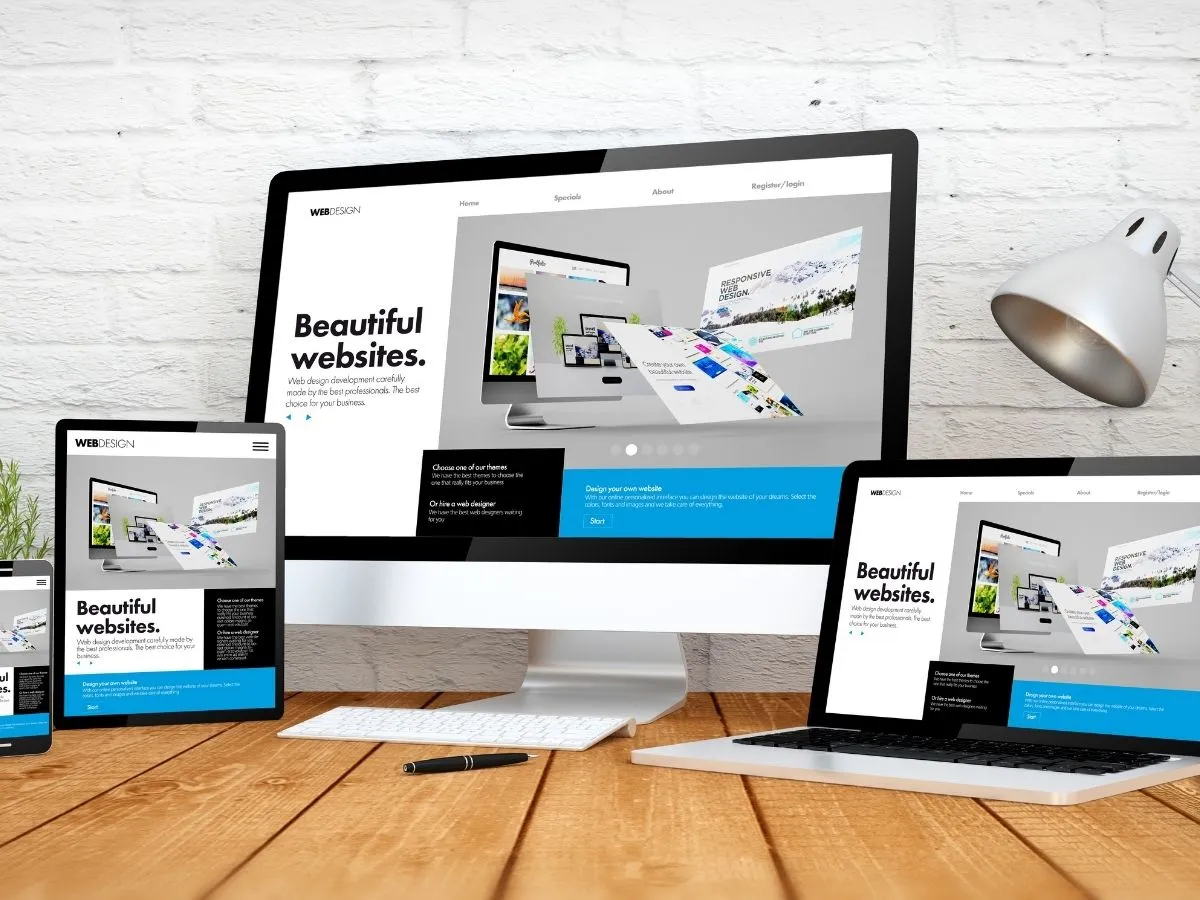
Designs have to adapt and work well across mobile devices. Desktop-first methods no longer cut it. Modern designs serve many devices, from smartphones to tablets and beyond.
User experience takes center stage
UX is the heartbeat of modern design. Color palettes, typography, and navigation work together to guide users through the site.
Integration of multimedia
Text still matters, but it’s now paired with video, animation, and interactive charts. Used well, these make content richer and more engaging.
Sustainability
The digital world’s growth carries environmental costs. To address that, designers turn to green hosting, efficient code, and optimized graphics.
Inclusivity and accessibility
Modern design champions inclusivity. It accounts for the range of people who visit a site, with features like screen-reader support and easy navigation that make it usable for everyone.

Differences Between Traditional and Modern Designs
As the web evolved, so did the thinking behind design. Here’s how traditional and modern approaches contrast:
Traditional designs
- Graphics-centric: Earlier designs leaned on intricate graphics that sometimes overshadowed the content.
- Desktop-focused: Built for desktop view, they often neglected mobile users.
- Static layouts: Fixed widths made pages less adaptable to varying screen sizes.
- Limited interactivity: Engagement was often restricted to primary navigation.
Modern designs
Modern designs prioritize user experience over mere aesthetics, keeping navigation effortless.
Mobile-first approach:
Recognizing the dominance of mobile users, contemporary designs focus on mobile optimization.
Fluid layouts:
These designs hold up across devices, from wide desktops to small smartphones.
Enhanced interactivity:
Animations, chatbots, and interactive menus make browsing more immersive.
Tips from Tulsa’s Leading Designers
Tulsa, an emerging center for digital design, is home to several leading minds in the field. Their collective experience offers valuable insight into modern techniques.
Mobile responsiveness
In a mobile-centric era, a site’s adaptability is paramount.
- Adaptive design: Make sure your site works on any device—smartphone, tablet, or desktop—offering an optimal view.
- Prioritize essential content: Streamline for mobile so only the most important information shows, improving the experience.
Visual hierarchy
Directing user attention is essential.
- Strategic placement: Give key content center stage so it’s easy to reach.
- Use of color: Lean on color psychology—the right shades evoke emotion, drive action, or highlight what matters.
Interactive elements
A modern site is more than static content.
- Purposeful animation: Motion adds dynamism, but subtlety is critical—don’t distract or annoy.
- Feedback loops: Actions like button clicks should give visual or tactile feedback, reassuring users their action worked.
User-centered design
It’s all about the end user.
- User testing: Regular testing reveals user preferences and guides refinements.
- Personalized experience: Modern tools adjust content to user behavior, giving each visitor a unique experience.
Simplicity and minimalism
A cluttered site drives users away.
- Whitespace: Embrace empty space—it offers visual relief and makes content easier to digest.
- Clear calls to action: Guide users with unmistakable prompts so they know the next step.
Benefits of Simplicity and Minimalism in Website Design
The web is leaning toward simplicity, and the reasons are compelling. Here’s a closer look at the advantages:
Better user experience
Simplicity means user-friendly. Strip out unnecessary elements and users find information easily, making browsing smooth.
Faster load times
A minimalist approach—free of heavy graphics and redundant plugins—means faster page loads. Fast pages keep users interested and prevent early exits.
Highlighted key content
Keeping things simple focuses attention on what’s essential.
Timeless appeal
A minimalist site has a timeless elegance, reducing the need for frequent redesigns.
Improved conversion rates
Clear, easy navigation keeps users on the site longer and moves them toward sign-ups or purchases.
Tulsa’s Contribution to Modern Design
Tulsa, a city rich in cultural heritage, is emerging as a force in digital design. Here’s a closer look at that shift:
Innovative design studios
In recent years, Tulsa has seen a notable rise in design agencies. Each studio brings its own flair, adding to the city’s mosaic of digital design and making Tulsa a lively center where different ideas come together.
Education and workshops
Local educational centers nurture future design talent through consistent workshops and courses. These programs teach the latest techniques and cultivate a new generation of designers, keeping the city at the industry’s edge.
Local inspiration
Tulsa’s mix of old and new architecture gives designers a unique canvas—one that blends heritage and modernity into endless creative possibilities.
Community collaboration
In Tulsa, the design community feels more like a family. It thrives on collaboration, shared insight, and mutual support—a spirit that fuels innovation and keeps the local design scene vibrant.
By combining its rich history with a modern approach, Tulsa is earning a place as a leader in website design.
Conclusion
Modern website design keeps evolving, and staying relevant means staying adaptable. As trends shift, keeping up is crucial. For anyone navigating design in Tulsa, WebbDesignz brings the expertise to help. Through it all, one principle holds: the user comes first. That user-centric mindset is the essence of contemporary website design. Embrace innovation, but always prioritize your audience.